
Plastic mulch for agriculture is available from KES 25 to KES 50 per square metre at Aqua Hub Kenya. We have UV-treated mulching paper designed for covering crops in greenhouses and open fields. We customise the mulching sheet to suit your growing needs.
Call 0790719020
Plastic mulch is transforming farming in Kenya by conserving soil moisture, suppressing weeds, moderating soil temperature and increasing crop yields.
What Is Plastic Mulch?
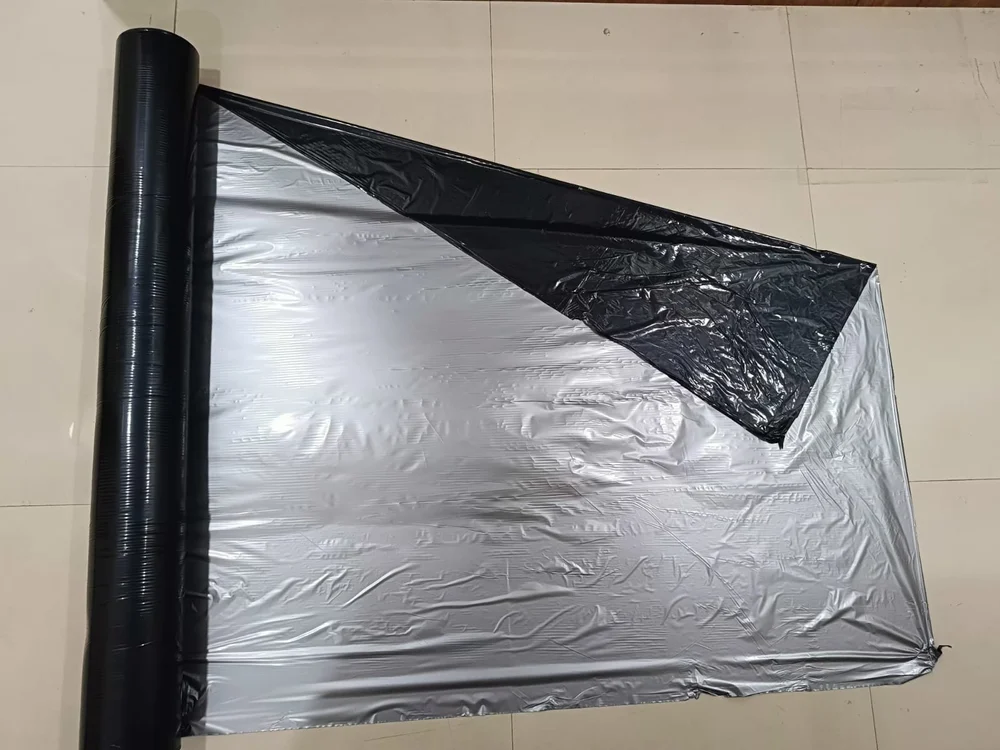
Plastic mulch is a thin plastic film laid over the soil surface around crops. It retains soil moisture, limits weeds and regulates soil temperature, improving growing conditions for many crops. Typically made from UV-stabilised polyethylene used to deter weeds in vegetable, fruit and flower farms.
How Plastic Mulch Works
Plastic mulch works by creating a physical barrier between soil and the environment. Key purposes of mulch include:
- Moisture Control: It limits evaporation, helping soil stay moist longer and reducing irrigation frequency.
- Weed Suppression: By blocking sunlight, mulch prevents weed seeds from germinating underneath the film.
- Soil Warming: Dark mulch warms soil faster after planting, leading to earlier germination and faster growth.
- Cleaner Produce: Fruits and vegetables are kept off the soil, reducing rot and pest exposure.
Types of Plastic Mulch
Plastic mulch comes in different materials and thicknesses, each suited to different crops and seasons:
- LDPE (Low-Density Polyethylene): Most common and affordable. Used widely in Kenyan farms.
- HDPE (High-Density Polyethylene): Stronger and more UV-resistant but costlier.
- Biodegradable Mulch: Breaks down naturally into the soil, reducing disposal needs, though currently less common and more expensive.
Cost of Plastic Mulch in Kenya
| Thickness | Price per square meter |
| 30 microns | KES 25–30 |
| 60 microns | KES 40–45 |
| 80 microns | KES 45–50 |
Standard Plastic Mulch Roll Sizes
Plastic mulch typically comes in rolls between 1.2m and 1.6m widths, with lengths ranging from tens to hundreds of metres depending on supplier. Roll width and thickness are chosen based on crop spacing and field layout. Thicker films (60–80 microns) last multiple seasons, while thinner ones are more economical for short-term vegetables.
How to Install Plastic Mulch (Step-by-Step)
- Prepare the Soil: Plow, level and firm the planting bed.
- Lay Down Drip Lines First: If using irrigation, place drip tape where plants will grow.
- Spread the Plastic Mulch: Unroll mulch across the bed, securing edges with soil or staples.
- Make Planting Holes: Use a hot metal to cut holes where you will plant seedlings.
- Secure Edges: Firm soil around edges to prevent wind from lifting the film.
For larger farms, a plastic mulch applicator helps apply mulch quickly and evenly, increasing efficiency and reducing labour.
How to Make Holes in Plastic Mulch
Perfect holes for planting can be made using hot metal pipe.
- Make holes just big enough for plants to sprout from.
- Be careful not to make much bigger holes or damage the mulch paper.
- Stick to proper spacing as per the crop to ensure optimal growth.
How to Use Plastic Mulch for Vegetables
Plastic mulch is especially effective for row crops and vegetables. Place mulch after bed preparation, install drip irrigation under the mulch, then plant seedlings through the holes.
As moisture is conserved and weeds controlled, crops like tomatoes, capsicum and beans thrive.
Growing Specific Crops with Plastic Mulch
Vegetable
Plastic mulch increases soil warmth and suppresses weeds, leading to big green leaves. Use darker mulch in cooler months to capture heat. Commonly used to suppress weeds in kales, cabbage, broccoli, brassicas, cucumber and squash.
Watermelon
The use of mulch paper also works for watermelons. Mulch paper reduces weed growth and evaporation thus faster and higher yield of fruits.
Tomato
Mulch enhances quality fruit by reduces rot caused by soil contact with moist soil. Ensure planting holes allow adequate air circulation.
Potatoes
Mulch promotes even soil temperature and reduces disease risk by keeping tubers off wet soil. Consistent moisture under mulch leads to higher yields.
Strawberries
Strawberries benefit from clean fruit and fewer soil pests when planted with plastic mulch, a key reason many Kenyan berry growers use it.
Plastic Mulch in Organic Farming
Despite being non-biodegradable, plastic mulch paper could still be used in organic farming. The plastic material should be removed once it starts to wear out, so that it does not remain in the soil.
Advantages of Plastic Mulch
Plastic mulch offers many benefits:
- Preserves moisture by reducing evaporation.
- Cuts labour cost due to weed reduction.
- Higher yields from improved soil conditions.
- Quality fruits and vegetable harvest. The rate of disease spread is reduced.
Disadvantages of Plastic Mulch Film
Despite its benefits, plastic mulch has drawbacks:
- Non-biodegradable mulch contributes to lasting plastic waste.
- Disposal challenges: removal and recycling are expensive.
- Soil health impacts: fragments can disrupt soil structure over time.
How Long Does Plastic Mulch Last?
Standard plastic mulch lasts 3–5 seasons with careful handling and UV resistance.
Thicker films will last longer than those with small gauges. Proper handling after seasonal harvest prolongs lifespan.
Always clean and remove debris before reuse to avoid soil contamination.
Comparing Biodegradable vs Conventional Plastic Mulch
| Feature | Conventional Mulch | Biodegradable Mulch |
| Cost | Lower upfront | Higher upfront |
| Disposal | Labor-intensive | Breaks down naturally |
| Organic certification | Often no | More likely |
| Soil health impact | Risk of microplastics | Lower |
Frequently Asked Questions
1. What is the cost of plastic mulch per acre?
KES 65,000 – KES 100,000.
2. What size is a plastic mulch roll?
Common widths are 1.2m and 1.6m, with lengths of 20 to 50 m.
3. How long does plastic mulch last?
3–5 years.
4. Is plastic mulch biodegradable?
Plastic mulch is nonbiodegradable.
5. How do you make holes in plastic mulch for planting?
Use a hot metal pipe.
6. How thick is plastic mulch?
30 to 80 microns.
7. What is the use of plastic mulch?
To prevent weed growth, reduce water loss and prevent fruit rot.
8. When to use plastic mulch?
At the start of the growing season, where moisture and weeds need to be controlled.
9. What are the disadvantages of plastic mulch?
Disposal costs, environmental impact, and soil health concerns.
10. How much plastic mulch per acre?
130 rolls of 1.2m by 20m.
